The word bureaucracy is commonly used in news, workplaces, governments, and everyday conversations, yet many people feel unsure about what it actually means. You might hear someone say, this process is stuck in bureaucracy, or complain about too much bureaucracy at work. Understanding the bureaucracy meaning helps you better understand how organizations function and why certain systems feel slow or complicated.
This article explains the meaning of bureaucracy in clear, simple language, shows how it is used in real life, highlights common misunderstandings, and helps you recognize bureaucracy when you see it.
What Does Bureaucracy Mean
Definition of Bureaucracy
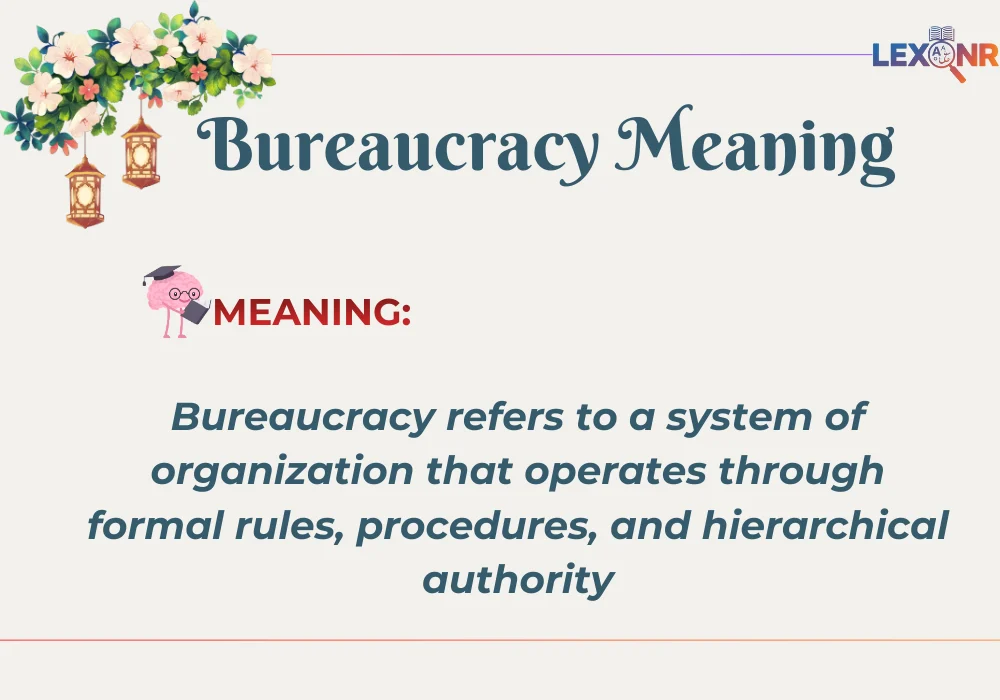
Bureaucracy refers to a system of organization that operates through formal rules, procedures, and hierarchical authority. It is commonly found in governments, large companies, and institutions where tasks are divided among different departments and decisions follow set processes.
In simple terms, bureaucracy means
- Working through official rules
- Following step by step procedures
- Dealing with multiple levels of authority
- Needing approvals and documentation
The main goal of bureaucracy is order, consistency, and fairness, but it often becomes associated with delays and complexity.
Origin of the Word Bureaucracy
The word bureaucracy comes from the French word bureau, meaning desk or office, combined with the Greek word kratos, meaning power or rule. Originally, it described rule by offices or officials.
Over time, the term began to describe systems where paperwork, procedures, and administrative control play a central role in decision making.
How Bureaucracy Works in Real Life
Where Bureaucracy Commonly Exists
You will usually encounter bureaucracy in
- Government offices
- Public institutions
- Large corporations
- Universities and schools
- Hospitals and healthcare systems
These organizations rely on bureaucracy to manage large numbers of people and complex responsibilities.
How Bureaucracy Operates
A typical bureaucratic system includes
- Clear job roles and responsibilities
- Written rules and policies
- A chain of command
- Formal communication
- Record keeping and documentation
Each step is designed to ensure accountability, but too many steps can slow things down.
Examples of Bureaucracy in Everyday Situations
Government example
Applying for a passport may require multiple forms, identity checks, fees, and waiting periods. This structured process is bureaucracy in action.
Workplace example
Requesting approval for leave may need confirmation from a supervisor, department head, and human resources.
Education example
University admissions often involve application forms, transcripts, entrance exams, and verification processes.
Healthcare example
Patients may need referrals, paperwork, and insurance approval before receiving treatment.
These examples show how bureaucracy helps manage systems but can also feel frustrating.
Positive and Negative Sides of Bureaucracy
Advantages of Bureaucracy
Bureaucracy exists for important reasons, including
- Fair and equal treatment
- Clear responsibilities
- Reduced favoritism
- Organized decision making
- Accountability and transparency
When implemented well, bureaucracy helps large systems function smoothly.
Disadvantages of Bureaucracy
However, bureaucracy can also create problems such as
- Slow decision making
- Excessive paperwork
- Lack of flexibility
- Poor customer experience
- Frustration for individuals
This is why bureaucracy often has a negative reputation in everyday language.
Common Mistakes or Misunderstandings About Bureaucracy
Thinking Bureaucracy Is Always Bad
Bureaucracy is not inherently negative. While it can be inefficient, it also provides structure and fairness.
Confusing Bureaucracy With Corruption
Bureaucracy involves rules and procedures, while corruption involves misuse of power. They are not the same thing.
Believing Small Organizations Have No Bureaucracy
Even small companies can develop bureaucratic habits as they grow, especially when rules multiply.
Similar Terms Related to Bureaucracy
| Term | Meaning | How It Is Used |
|---|---|---|
| Red tape | Excessive rules or paperwork | Complaints about delays |
| Administration | Management of operations | Formal settings |
| Hierarchy | Levels of authority | Organizational structure |
| Regulation | Official rules or laws | Government or industry |
| Paperwork | Documents and forms | Daily office tasks |
| Formal process | Required procedures | Work and institutions |
| Official procedure | Approved steps | Legal or administrative use |
These terms are often used alongside bureaucracy and share similar meanings depending on context.
FAQs:
What is bureaucracy in simple words
Bureaucracy is a system where tasks are handled through rules, procedures, and official approvals.
Why does bureaucracy exist
It exists to maintain order, fairness, accountability, and consistency in large organizations.
Is bureaucracy only related to government
No. Bureaucracy also exists in companies, schools, hospitals, and other institutions.
Why do people complain about bureaucracy
People often complain because bureaucracy can slow processes and create unnecessary complexity.
Can bureaucracy be reduced
Yes. Organizations can reduce bureaucracy by simplifying procedures, improving communication, and using technology.
Conclusion:
The bureaucracy meaning refers to a structured system of rules, procedures, and authority used to manage organizations and institutions. While it is essential for order and fairness, excessive bureaucracy can lead to delays and frustration.
Understanding bureaucracy helps you navigate systems more effectively and recognize why certain processes take time. When balanced correctly, bureaucracy supports stability and accountability without becoming overwhelming.
Have a term you hear often but find confusing
Share it in the comments and let us explain it clearly.

Hi I am Mark Alex , a dedicated writer and language enthusiast with a strong passion for words and their meanings. I focus on creating clear, accurate, and easy-to-understand content to help readers improve their vocabulary and language skills.
Through Lexonr, my goal is to make word meanings accessible for students, learners, and language lovers from all backgrounds. I believe that understanding words is the foundation of effective communication and lifelong learning.
I am committed to providing helpful and reliable content while continuously improving the quality and usefulness of Lexonr.