If you have ever heard someone described as a metrosexual and wondered what it really means, you are not alone. The term often pops up in conversations about fashion, grooming, lifestyle, and masculinity, yet many people still misunderstand it. Knowing the metrosexuals meaning helps you better understand modern identity, style choices, and how language evolves with culture.
This article clearly explains what metrosexuals means, where the term came from, how it is used today, and how people commonly misunderstand it. Everything is written in simple, natural language so it is easy to read and practical for everyday understanding.
What Does Metrosexuals Mean
Definition of Metrosexuals
Metrosexuals refers to men who are highly interested in personal grooming, fashion, skincare, fitness, and overall appearance. A metrosexual man usually spends time and money on looking well-groomed and stylish, regardless of traditional gender expectations.
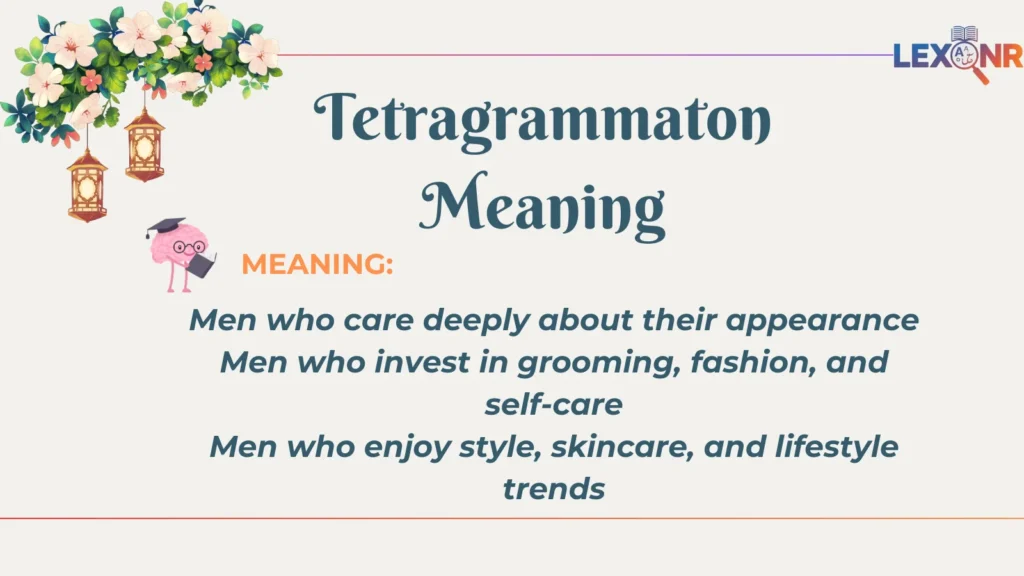
In simple terms, the metrosexuals meaning is
- Men who care deeply about their appearance
- Men who invest in grooming, fashion, and self-care
- Men who enjoy style, skincare, and lifestyle trends
Being metrosexual is about lifestyle and self-expression, not about sexual orientation.
Origin of the Term Metrosexual
The word metrosexual combines two ideas
- Metro meaning metropolitan or urban
- Sexual referring to identity, not attraction
The term originally described men living in cities who had access to fashion, salons, gyms, and modern lifestyle services. Over time, it expanded to describe any man who prioritizes grooming and appearance, regardless of where he lives.
The word gained popularity through media, advertising, and pop culture when stylish male celebrities began openly embracing self-care and fashion.
How Metrosexuals Is Used in Conversations
Common Contexts Where the Term Appears
The term metrosexuals is commonly used in
- Lifestyle discussions
- Fashion and grooming blogs
- Social conversations
- Media commentary
- Casual descriptions of personality or style
It is not slang in the casual texting sense, but it is informal and descriptive.
How People Use Metrosexuals Naturally
Describing grooming habits
Example: He is very metrosexual, always perfectly dressed and groomed
Talking about lifestyle choices
Example: That skincare routine is next level, definitely metrosexual vibes
Comparing personality styles
Example: He is more metrosexual than rugged, loves fashion and fitness
The word is usually neutral or positive, depending on tone.
Real-Life Examples of Metrosexuals Usage
Social conversation example
He spends more time choosing outfits than anyone I know, total metrosexual
Lifestyle discussion example
Metrosexual men normalized skincare and self-care long before it was mainstream
Casual observation example
People used to judge metrosexuals, but now it is completely normal
These examples show that the term is often observational rather than judgmental.
Common Misunderstandings About Metrosexuals
Metrosexual Does Not Mean Gay
One of the biggest misconceptions is assuming metrosexuals refers to sexual orientation. This is incorrect. A metrosexual man can be straight, gay, or anywhere on the spectrum. The term describes lifestyle and grooming habits only.
Metrosexual Is Not an Insult
Some people mistakenly use the word as a joke or insult. In reality, metrosexual simply reflects personal preference and self-care awareness.
Metrosexuals Are Not New
While the term became popular later, men caring about appearance has existed throughout history. The label is modern, but the behavior is not.
Why Metrosexuals Became Popular
The rise of metrosexuals is linked to cultural shifts such as
- Increased focus on self-care
- Expansion of men’s fashion and grooming industries
- Social media influence
- Changing ideas of masculinity
Modern masculinity allows room for emotional awareness, personal style, and grooming without stigma.
Similar Terms Related to Metrosexuals
| Term | Meaning | How It Compares |
|---|---|---|
| Groomed | Well-maintained appearance | General description |
| Stylish | Fashion-conscious | Focused on clothing |
| Fashion-forward | Ahead of trends | Trend-based |
| Well-dressed | Neat and polished | Neutral term |
| Image-conscious | Aware of appearance | Broader lifestyle |
| Modern masculine | Updated masculinity | Cultural concept |
| Self-care focused | Prioritizes wellness | Lifestyle-based |
These terms often overlap with the metrosexuals meaning, but metrosexual specifically highlights grooming and urban lifestyle influence.
How Metrosexuals Is Viewed Today
Today, many of the traits once labeled as metrosexual are considered normal. Skincare, fitness, grooming, and fashion are widely accepted for everyone. As a result, the term is used less as a label and more as a descriptive word.
People now see metrosexual traits as
- Confidence
- Self-respect
- Personal expression
- Lifestyle choice
The stigma around men caring about appearance has largely faded.
FAQs:
What is the meaning of metrosexuals
Metrosexuals are men who place a strong focus on grooming, fashion, and personal appearance as part of their lifestyle.
Is metrosexual related to sexual orientation
No. Metrosexual has nothing to do with sexual orientation. It only describes grooming habits and lifestyle preferences.
Is metrosexual a positive or negative term
It is generally neutral or positive, depending on tone. It is not meant to insult or stereotype.
Are metrosexuals common today
Yes. Many grooming habits associated with metrosexuals are now widely accepted and common.
Can someone still be metrosexual today
Yes. Anyone who prioritizes grooming, fashion, and appearance can be described as metrosexual.
Conclusion:
The metrosexuals meaning centers on men who embrace grooming, fashion, and self-care as part of their identity. It reflects changing cultural attitudes toward masculinity and personal expression rather than anything related to sexuality.
While the term may not be used as frequently as before, the lifestyle it describes is now widely normalized. Understanding the meaning helps remove stereotypes and encourages a more open view of self-care and individuality.
Have a word or term you hear often but are unsure about
Share it in the comments and let us explain it clearly for you

I am John, a dedicated writer and language enthusiast with a strong interest in words and their meanings. I focus on creating clear, accurate, and easy-to-understand content to help readers strengthen their vocabulary and language skills.
Through Lexonr, my aim is to make word meanings accessible for students, learners, and language enthusiasts from all backgrounds. I believe that understanding language plays a key role in effective communication and continuous learning.
I am committed to delivering helpful, reliable, and high-quality content while contributing to the ongoing growth and improvement of Lexonr.