If you have ever seen the word lesbian used in a chat, comment, social media post, or conversation and wondered exactly what it means, you are not alone. While the term has a clear definition, people sometimes use it in different ways depending on context, culture, and the conversation itself. Understanding the lesbian meaning helps avoid confusion and ensures respectful communication in modern online spaces.
In texting and digital conversations, the word is usually used in its original sense, referring to a woman who is romantically or emotionally attracted to other women. However, it may also appear in discussions about identity, relationships, social topics, or community culture. This guide explains the meaning of lesbian, where the word comes from, how it is used in conversations, and how to understand it correctly in different situations.
What Does Lesbian Mean
Definition of Lesbian
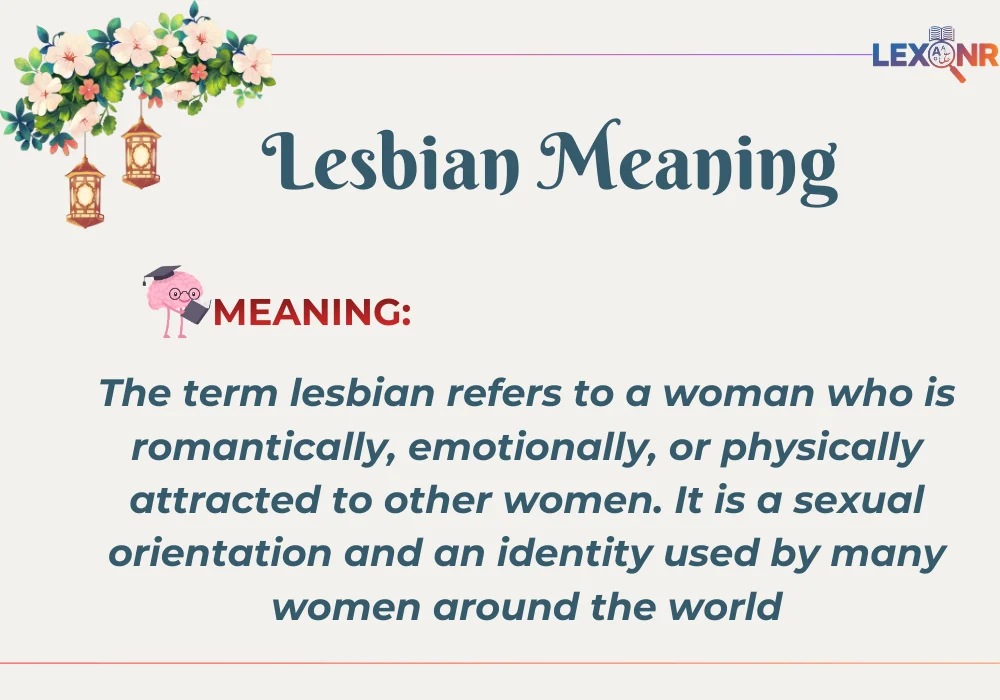
The term lesbian refers to a woman who is romantically, emotionally, or physically attracted to other women. It is a sexual orientation and an identity used by many women around the world.
In simple terms:
- A lesbian is a woman who loves or is attracted to women.
- It describes a type of romantic or emotional relationship between women.
- It is part of the broader spectrum of sexual orientations.
The word is commonly used in discussions about relationships, identity, culture, and equality.
Origin of the Word Lesbian
The word lesbian comes from the Greek island of Lesbos. The connection comes from the ancient Greek poet Sappho, who lived on the island and wrote poetry expressing affection and love between women.
Over time, the term evolved and began to describe women who are attracted to other women. Today, it is widely recognized as a sexual orientation and identity.
How the Word Lesbian Is Used in Conversations
Common Contexts Where It Appears
You may see the word lesbian used in several types of conversations, including:
- Social media discussions
- Relationship conversations
- Community or identity topics
- Educational content
- Cultural or entertainment discussions
Unlike slang abbreviations, the word lesbian is a real identity term rather than internet slang.
Examples of How People Use the Word
Example in conversation
Friend one: I heard she has a girlfriend now
Friend two: Yeah, she came out as lesbian last year
Example on social media
She posted about being proud of her identity as a lesbian
Example in a discussion
The show includes several lesbian characters and relationships
These examples show how the word is typically used in a straightforward and respectful way.
Understanding the Difference Between Lesbian and Similar Terms
People sometimes confuse different identity terms. Understanding the differences can make conversations clearer.
Lesbian vs Gay
- Lesbian usually refers specifically to women who are attracted to women.
- Gay can refer to men attracted to men, but it is sometimes used broadly for same sex attraction.
Lesbian vs Bisexual
- Lesbian means attraction to women only.
- Bisexual means attraction to more than one gender.
Or Lesbian vs Queer
- Queer is an umbrella term used by some people to describe a wide range of identities within the LGBTQ community.
Each term has its own meaning and personal significance.
Common Misunderstandings About the Word Lesbian
Thinking It Is Only Used in Slang
Unlike many internet terms, lesbian is not slang. It is a real identity word used in social, cultural, and academic discussions.
Assuming It Always Describes Personality
The word lesbian refers to sexual orientation, not personality traits, hobbies, or behavior.
Using the Word Disrespectfully
It is important to use the term respectfully. It describes a person’s identity and should not be used as an insult or joke.
Similar or Related Terms
| Term | Meaning | Common Context |
|---|---|---|
| Gay | Attraction to the same gender | General identity discussions |
| Bisexual | Attraction to more than one gender | Relationship discussions |
| Queer | Broad identity term for LGBTQ individuals | Community and culture |
| Lesbian couple | Two women in a romantic relationship | Relationship conversations |
| LGBTQ | Community acronym for diverse identities | Social and cultural topics |
These terms often appear in discussions related to gender identity, relationships, and social topics.
FAQs:
What does lesbian mean
A lesbian is a woman who is romantically or emotionally attracted to other women.
Is lesbian the same as gay
Lesbian usually refers specifically to women who are attracted to women, while gay can be used more broadly.
Is lesbian a slang word
No. The term lesbian is a formal identity term, not internet slang.
Can someone identify as lesbian publicly
Yes. Many women openly identify as lesbian in their personal lives, communities, and social media.
Why is the word lesbian important
The term helps describe a specific identity and plays an important role in discussions about relationships, equality, and representation.
Conclusion:
The lesbian meaning is simple but important. It describes a woman who is emotionally or romantically attracted to other women. Unlike many internet slang terms, it is a widely recognized identity term used in everyday conversations, social discussions, and educational contexts.
Understanding the meaning helps create respectful communication and clearer discussions about relationships and identity. When used correctly and respectfully, the word lesbian helps people express who they are and how they connect with others.
Have a slang word or abbreviation you keep seeing online that confuses you
Share it in the comments and let us explain its meaning.

I am John, a dedicated writer and language enthusiast with a strong interest in words and their meanings. I focus on creating clear, accurate, and easy-to-understand content to help readers strengthen their vocabulary and language skills.
Through Lexonr, my aim is to make word meanings accessible for students, learners, and language enthusiasts from all backgrounds. I believe that understanding language plays a key role in effective communication and continuous learning.
I am committed to delivering helpful, reliable, and high-quality content while contributing to the ongoing growth and improvement of Lexonr.