If you’ve seen “LMS” in a text message or social media post, it usually means “Like My Status.” People use it to encourage others to interact with their posts, stories, or status updates on social media platforms.
The abbreviation is especially common on Snapchat, Instagram, Facebook, and other social networking apps. Many users search for its meaning because LMS can have different definitions depending on the context.
In texting and social media conversations, however, “Like My Status” is by far the most common meaning. Understanding it can help you better follow online conversations and social media trends.
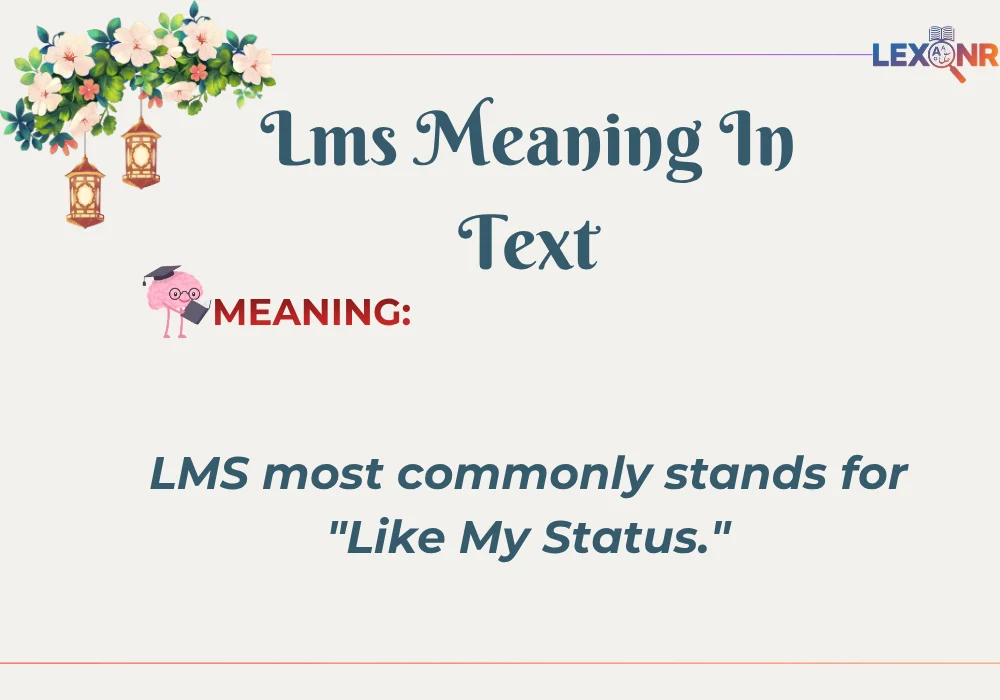
Lms Meaning in Text
LMS most commonly stands for “Like My Status.”
It is an internet abbreviation used to ask friends or followers to like a status update, post, photo, or story. People often use it to increase engagement on social media.
For example:
- “LMS if you’re excited for summer.”
- “LMS for a truth.”
- “LMS and I’ll rate your profile.”
In these examples, the person is encouraging others to interact with their content.
Is LMS Slang or an Abbreviation?
LMS is an abbreviation that became popular through social media culture.
While it is not traditional slang, it is considered internet slang because it is mostly used online and understood by regular social media users.
Like many online abbreviations, LMS helps people communicate quickly without typing a full phrase.
What Does LMS Mean in Everyday Chat?
In casual conversations, LMS usually means:
- Like my status
- Interact with my post
- Show support for my update
- Participate in a social media activity
People often use it when they want more engagement from friends and followers.
Where People Use LMS
LMS appears on several social media and messaging platforms.
TikTok
Although less common on TikTok than other abbreviations, LMS may appear in comments and captions.
Examples:
- “LMS if you agree.”
- “LMS for part two.”
Users often use it to encourage engagement.
Snapchat
Snapchat is one of the most popular places for LMS.
Examples:
- “LMS for a streak.”
- “LMS and I’ll send you a snap.”
- “LMS for a compliment.”
Many Snapchat users post these messages on their stories.
Instagram users often write LMS in captions, stories, and comments.
Examples:
- “LMS if you like this photo.”
- “LMS for a shoutout.”
It helps creators and regular users boost engagement.
LMS is less common on WhatsApp but can still appear in group chats or status updates.
Examples:
- “LMS if you’re coming tonight.”
- “LMS if you saw my update.”
SMS
Traditional text messaging rarely uses LMS compared to social media, but some users still include it in casual conversations.
Examples:
- “Just posted a new picture, LMS.”
- “LMS if you want more updates.”
Real Chat Examples
Example 1
A: I just posted a new photo.
B: Nice.
A: LMS if you like it.
Example 2
A: LMS for a fun question.
B: Done.
A: What’s your dream vacation?
Example 3
A: LMS if you’re watching the game tonight.
B: I already liked it.
A: Awesome.
Example 4
A: LMS for a compliment.
B: Liked.
A: You’re always positive and supportive.
Example 5
A: LMS if you agree with this.
B: I do.
A: Thanks.
Example 6
A: LMS and I’ll rate your profile.
B: Just liked it.
A: 9 out of 10.
Example 7
A: LMS for a truth.
B: Done.
A: What’s your biggest fear?
Example 8
A: Did you see my story?
B: Yes.
A: LMS if you enjoyed it.
Example 9
A: LMS for a recommendation.
B: Liked.
A: You should watch that new series.
Example 10
A: LMS if you’re excited for the weekend.
B: Definitely.
A: Same here.
How to Reply When Someone Says “LMS”
The best response depends on the situation and platform.
Funny Replies
- “Only if I get a reward.”
- “That’s a bold request.”
- “Consider it done.”
Casual Replies
- “Sure.”
- “Already liked it.”
- “Done.”
Friendly Replies
- “Of course.”
- “Happy to support.”
- “Just liked it.”
Neutral Replies
- “Okay.”
- “I saw it.”
- “Thanks for sharing.”
Is LMS Rude or Offensive?
No, LMS is not rude or offensive.
It is generally a harmless abbreviation used to encourage interaction on social media. Most people view it as a casual request for engagement.
However, using LMS too frequently can sometimes feel repetitive or attention-seeking, especially if someone constantly asks for likes.
Is It Safe to Use?
Yes. LMS is safe to use in:
- Social media posts
- Stories
- Group chats
- Text messages
- Online communities
Is It Appropriate at School or Work?
In casual conversations with classmates, LMS is usually acceptable.
In professional settings, business emails, or workplace communication, it is better to avoid internet abbreviations and use complete phrases instead.
Who Uses This Term?
LMS is primarily used by social media users.
Age Groups
The abbreviation is most common among:
- Teenagers
- High school students
- College students
- Young adults
Older users may recognize it, but they generally use it less often.
Gen Z Usage
Gen Z users frequently use LMS in social media activities, story games, and engagement posts.
It remains popular because it is short, easy to understand, and encourages participation.
Common Platforms
You’ll commonly find LMS on:
- Snapchat
- TikTok
- Messenger
How Often Does It Appear Online?
LMS appears regularly in social media communities, especially among younger users who enjoy interactive posts and story challenges.
Origin of the Term
LMS originated from social networking culture.
The abbreviation became popular during the rise of platforms such as Facebook, where users frequently posted messages like “Like my status if…” followed by a question, challenge, or request.
As social media grew, users shortened the phrase to LMS to save time and make posts easier to write.
Over the years, the term spread to Snapchat, Instagram, and other social platforms where engagement became increasingly important.
Internet Culture and LMS
LMS reflects a broader trend in internet culture where users seek interaction through likes, comments, and reactions.
The abbreviation became popular because:
- It is short
- It encourages engagement
- It works across multiple platforms
- It is easy to understand
Today, it remains a recognizable part of social media vocabulary.
Comparison Table
| Term | Meaning | Type | Usage | Popularity |
|---|---|---|---|---|
| LMS | Like My Status | Abbreviation | Requesting engagement | High |
| IDK | I Don’t Know | Acronym | Expressing uncertainty | Very High |
| IDC | I Don’t Care | Acronym | Showing indifference | High |
| IMO | In My Opinion | Acronym | Sharing opinions | Very High |
| BRB | Be Right Back | Acronym | Leaving temporarily | High |
Real World Usage Example
Imagine a student posts a photo from a school event on Instagram.
Along with the picture, they write:
“LMS if you had fun today.”
Friends who enjoyed the event tap the like button and interact with the post. In this situation, LMS serves as a simple request for engagement and participation.
FAQs:
What does LMS mean in text messages?
LMS usually means “Like My Status.” It is commonly used to encourage others to interact with a social media post or update.
What does LMS mean on TikTok?
On TikTok, LMS typically means “Like My Status” or a request for engagement, although it is less common there than on Snapchat or Instagram.
Is LMS slang?
LMS is an internet abbreviation that has become part of online slang and social media culture.
Is LMS rude or offensive?
No. LMS is generally considered friendly and harmless. It is simply a request for likes or interaction.
How should you reply to LMS?
You can respond by liking the post, acknowledging the request, or replying with messages like “Done,” “Already liked it,” or “Sure.”
Conclusion:
LMS stands for “Like My Status” and is commonly used on social media platforms to encourage engagement and interaction.
You’ll most often see it on Snapchat, Instagram, Facebook, and other social networks where likes and reactions play an important role. The term is easy to understand, safe to use, and especially popular among younger users.
While LMS works well in casual online conversations, it is best avoided in formal or professional communication. Understanding its meaning can help you navigate social media conversations more confidently.

Hi, I’m Mike Grobgaard, founder of Lexonr. I write about meanings, internet slang, biblical terms, and modern expressions in a simple yet engaging way. My goal is to help readers understand the deeper story behind every word they search for.